Reiki
Reiki
Nervous System Restoration & Energetic Balance
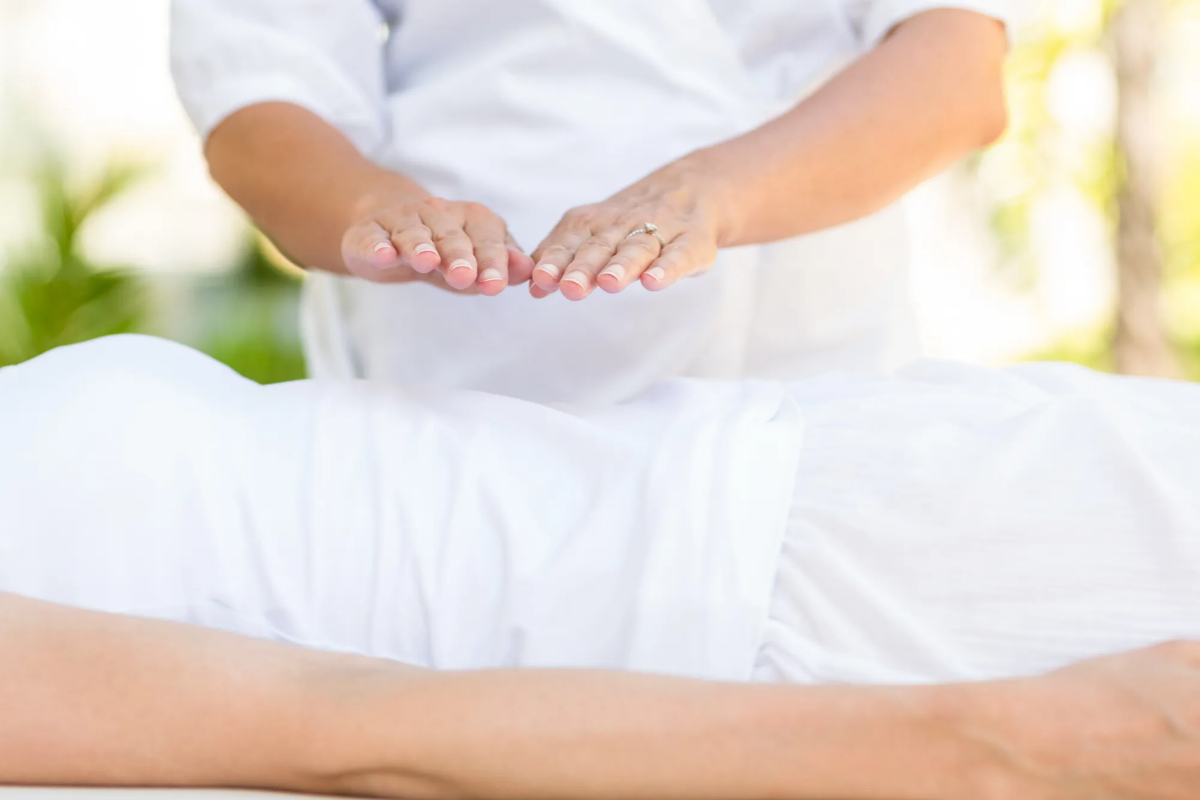
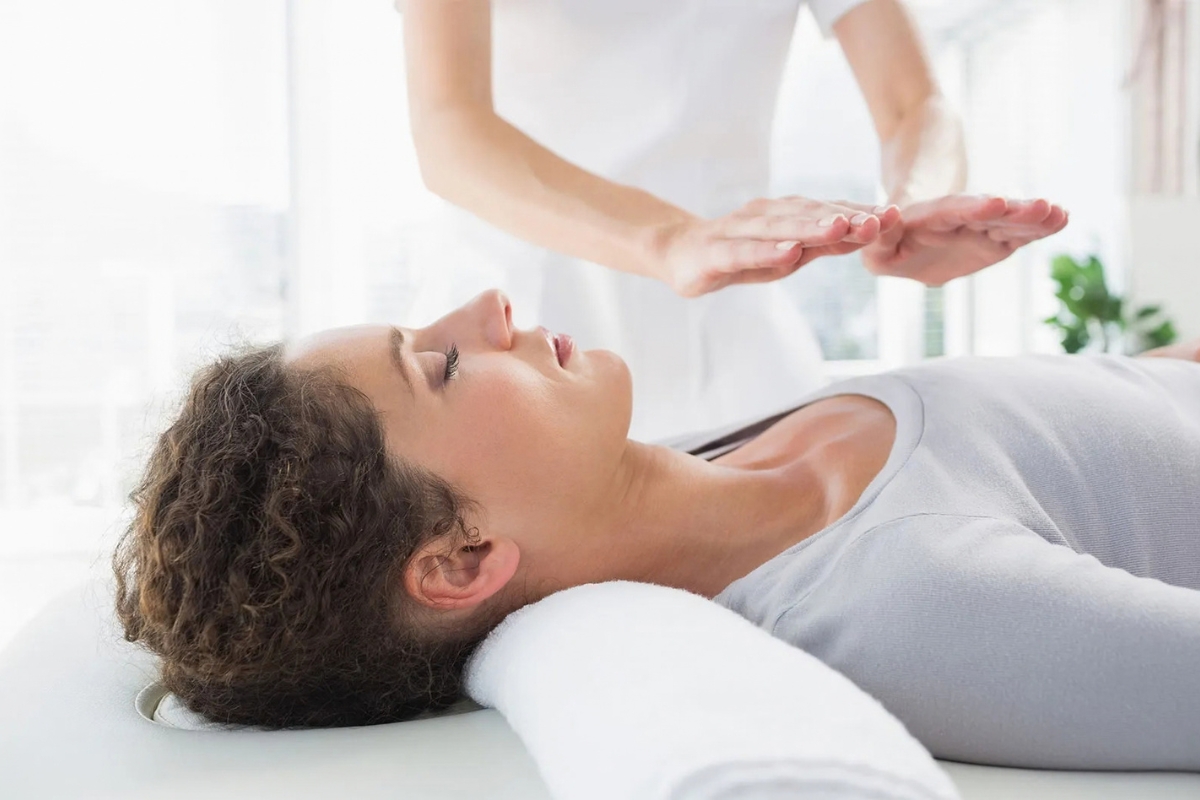
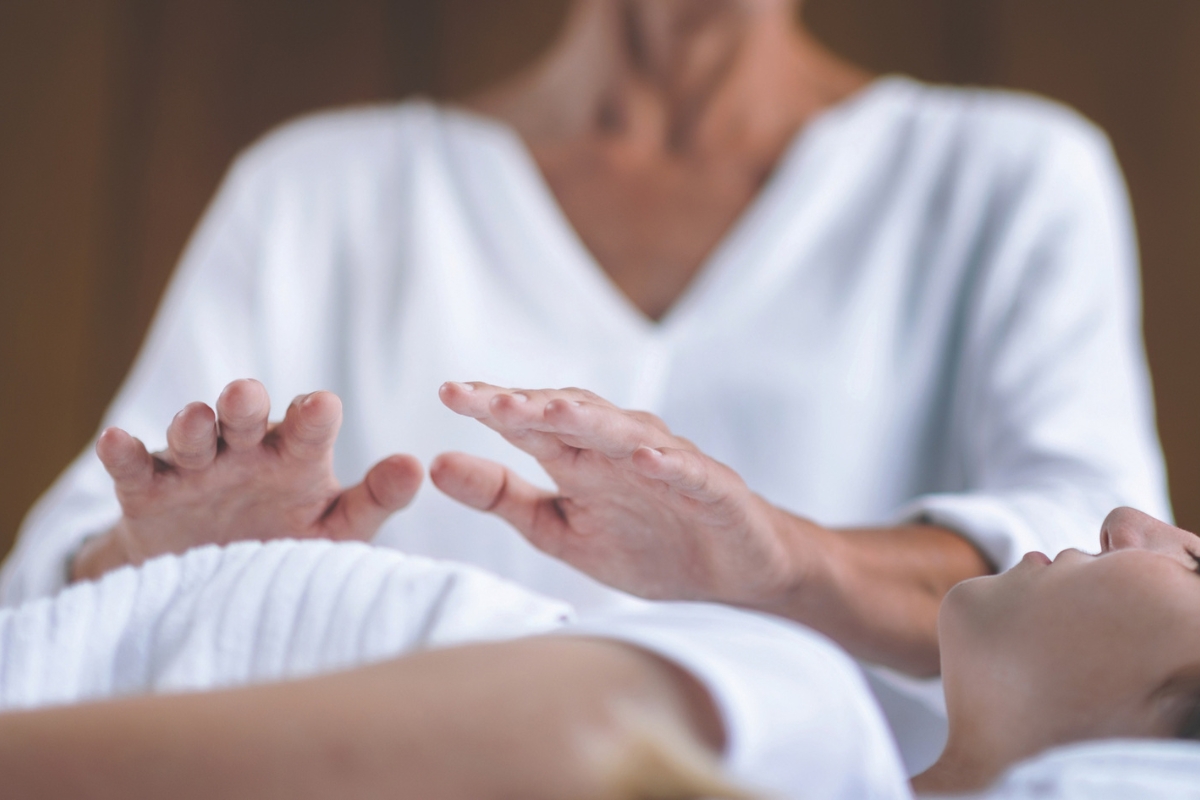
Reiki is a precise, non-invasive Japanese technique that facilitates deep relaxation and supports the body’s natural healing processes. By using a light touch or working just above the body, this practice helps shift the nervous system from a state of “fight or flight” into a restorative parasympathetic state. At From Soul to Sole, we provide a quiet, clinical environment where you can experience this profound shift in physiological and mental tension.
The Benefit
This session is a vital addition to any high-performance self-care routine. It offers a structured space to reset your internal rhythm and restore your sense of personal balance.
The Treatments
Traditional Reiki
A calming, traditional Reiki experience.

Relaxation Reiki
Slow down and enjoy peaceful moments.
Full-Body Reiki
Gentle Reiki focused on overall relaxation.
Hands-Off Reiki
Relaxing energy work without physical contact.
Head & Shoulder Reiki
A peaceful focus on head and shoulders.
Reiki & Mindfulness
Combine calm breathing with mindful rest.
Extended Reiki
Enjoy extra time for relaxation.
Personalized Reiki
A session tailored to your preferences.
FROM SOUL TO SOLE LADIES REFLEXOLOGY
Relax. Reconnect. Restore.
Services
Contact
Operational Hours
Disclaimer: Results from facial massage treatments are unique to every woman. Outcomes depend on your individual skin condition and the regularity of your session. For the best and most lasting effects, a consistent schedule is recommended
Powerd By : Simply Optimise
Copyright © 2026. All rights reserved.