Reflexology
Every point tells a story; every touch brings relief.
What is Reflexology?
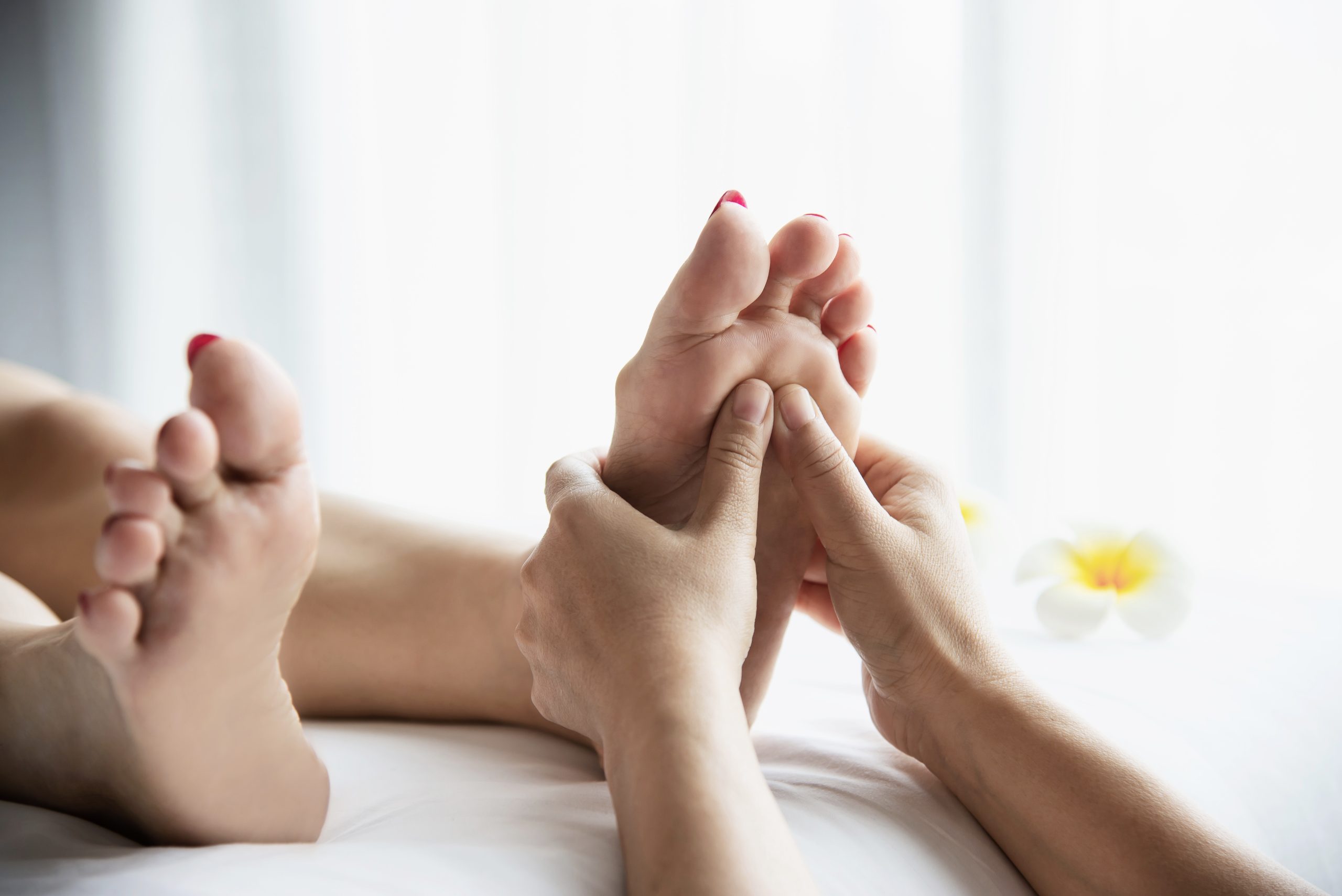
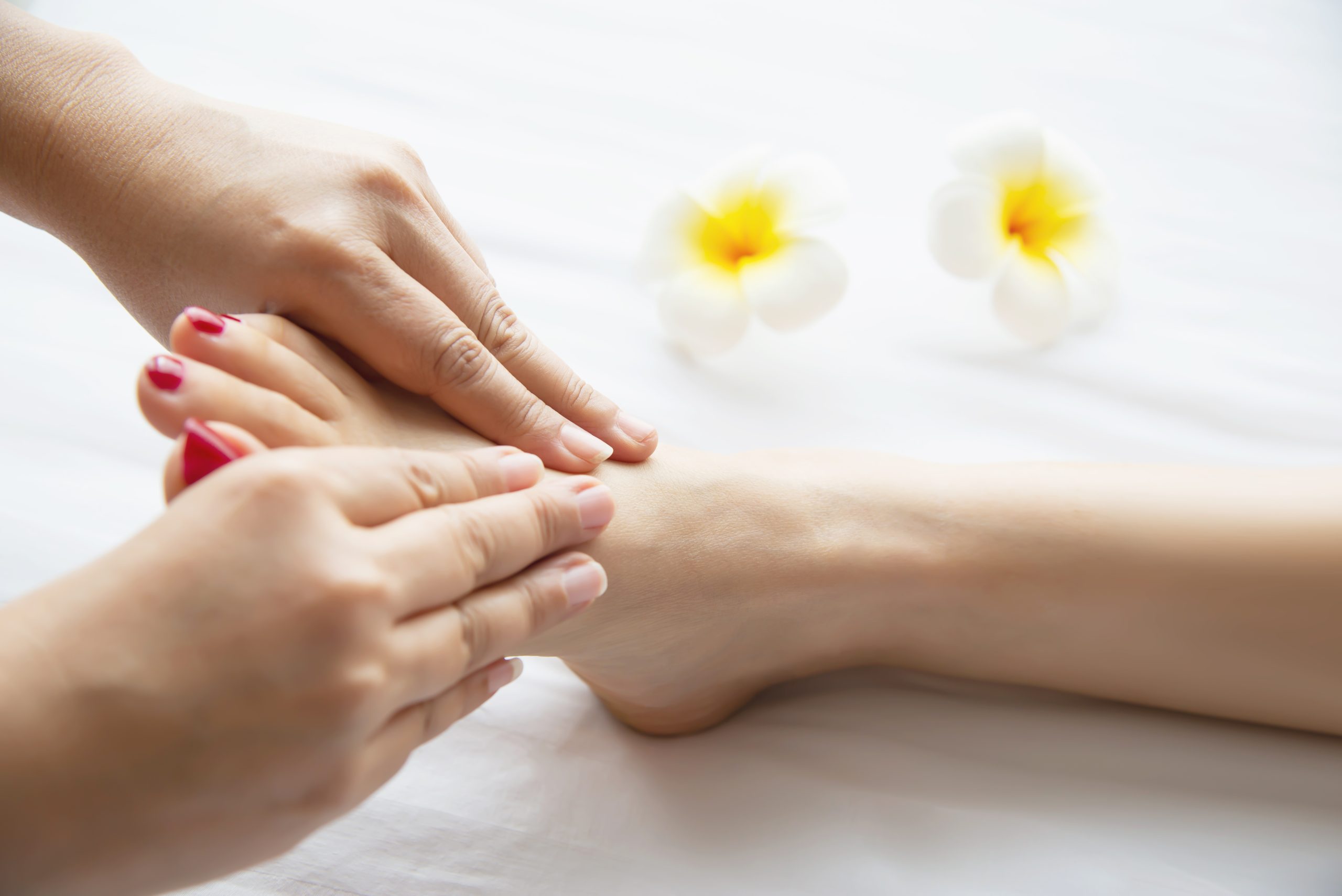
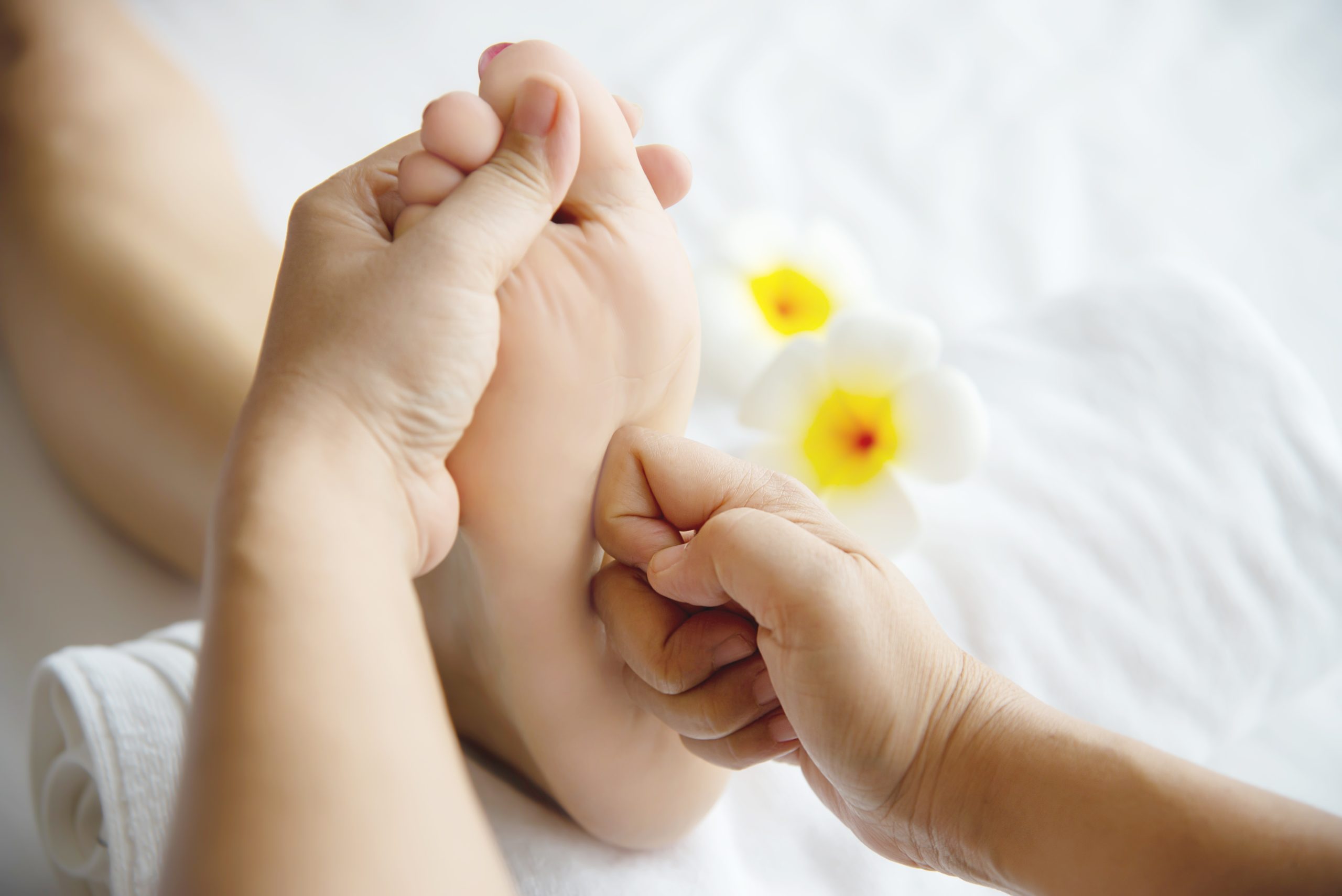
Reflexology is a type of complementary therapy that involves applying pressure to specific points on the feet, hands, or ears. These points are believed to correspond with different organs and systems in the body. By stimulating them, reflexologists aim to promote relaxation, improve circulation, and support the body’s natural healing processes.
Principles of Reflexology
- Reflex Points: Each area of the foot, hand, or ear is thought to mirror a part of the body. For example, the toes may correspond to the head and brain, while the arch of the foot relates to digestive organs.
- Energy Flow: Reflexology is based on the idea that energy flows through the body. Stress, illness, or blockages can interrupt this flow, and reflexology seeks to restore balance.
- Holistic Approach: Reflexology looks at the body as a whole, aiming to improve overall well-being rather than targeting symptoms alone.
Potential Benefits
While research is ongoing, many people report benefits such as:
- Reduced stress and anxiety
- Improved sleep quality
- Enhanced relaxation
- Better circulation
- Relief from pain and tension (such as headaches or back pain)
- Support for digestive and hormonal balance
What to Expect in a Session
A reflexology session usually lasts 30–60 minutes. The client remains clothed except for shoes and socks. The practitioner uses thumbs, fingers, and specialized techniques to apply pressure to reflex points, often starting with the feet. Many people find sessions deeply relaxing.
Scientific Evidence & Limitations
- Evidence: Some studies suggest reflexology can reduce stress, improve quality of life, and help with certain conditions like pain management.
- Limitations: It should not replace conventional medical treatment for serious illnesses. Evidence is mixed, and more high-quality studies are needed to confirm specific health benefits.
Safety Considerations
Reflexology is generally safe for most people, but it may not be suitable for those with:
- Foot injuries or infections
- Blood clotting issues
- Severe circulatory problems
- Certain chronic conditions (unless advised by a doctor)
In short
Reflexology is a non-invasive, relaxing therapy that many people find helpful for stress relief and general wellness, though it should be viewed as a complementary practice rather than a substitute for medical care.